
How to Get Through the First Hours After the Death of a Loved One
material
The first hours after the death of a loved one are the most vulnerable. Time may feel as if it has stopped. The body may not respond. The mind often clings to the last moments, resisting the reality of what has happened. Everything can feel unbearable - and this is exactly when it is most important not to demand the impossible from yourself.
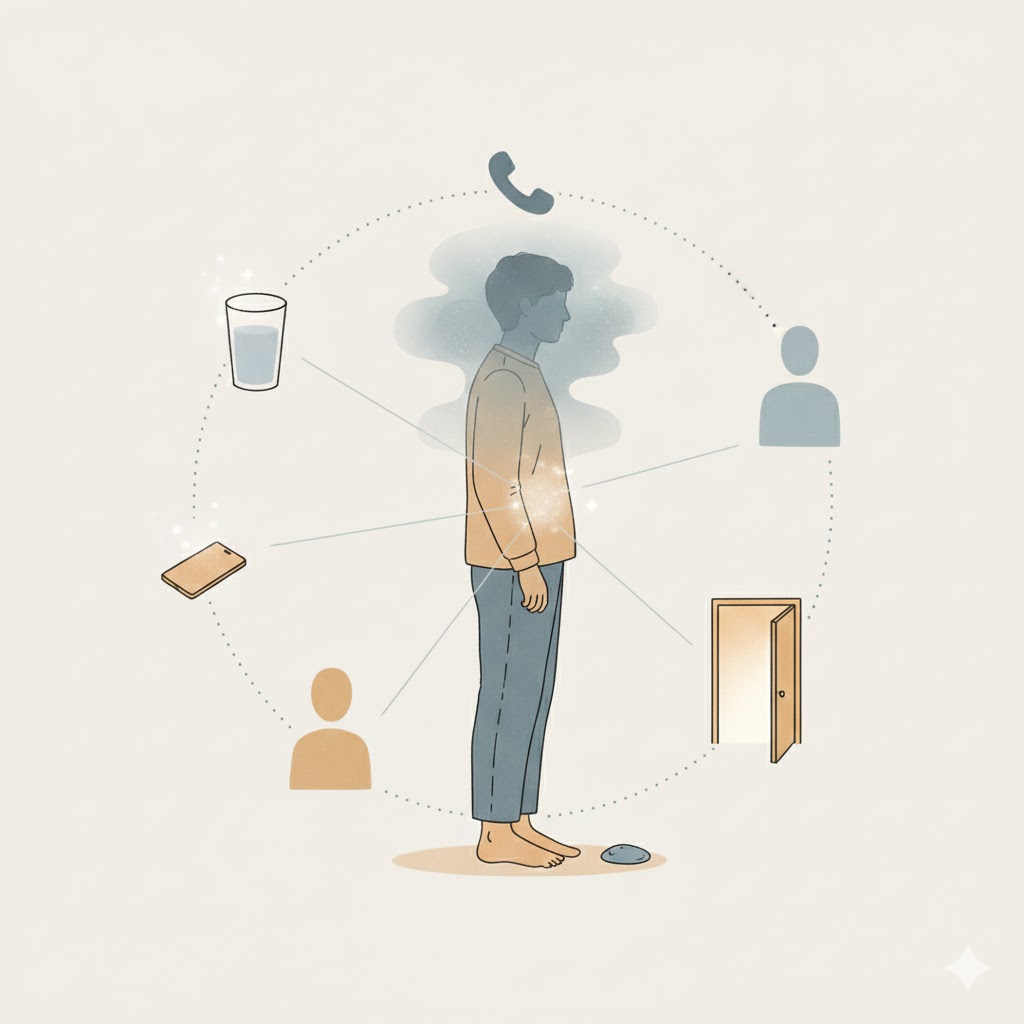
The main goal right now is simple:
to keep breathing, to stay connected to your body, and to remain in contact with reality.
1. What Happens in the First Hours After a Death
The body enters a state of acute stress shock.
This is a biological protection mechanism - the brain temporarily reduces emotional and sensory processing in order to prevent collapse.
You may experience:
• physical numbness, trembling, or weakness;
• slowed reactions or, on the contrary, restlessness and excessive activity;
• absence of tears, a sense of “I feel nothing”;
• difficulty concentrating or forgetfulness;
• a feeling that everything is happening “not to me.”
This is normal.
There is no correct way to react.
Do not force yourself to feel or behave “as you should.”
Your body is choosing the safest way to survive the impact.
2. If You Are With the Person Who Has Died
If you found the deceased or the death occurred in your presence:
1. Make sure you are safe.
If medical staff are present, rely on them.
2. Contact emergency services.
If the death was sudden or you are unsure what to do, call your local emergency number
(112 in most European countries, 999 in the UK) and follow their instructions.
If the death was expected (for example, during palliative care), notify the doctor or care team who were supporting the person.
3. Breathe.
After each call, pause. Take three slow, deep breaths in and out.
4. Do not stay alone if possible.
Even brief presence of another person can significantly reduce shock.
5. Allow yourself a pause.
Sit down. Drink some water, even if you do not feel thirsty.
Wash your face, alternating warm and cool water.
If you feel the urge to walk - walk.
If you have no strength to move, sit comfortably and gently rock your body from side to side.
You may add a quiet sound such as “oooh” or “mmm”, if it feels comfortable to you.
If sounds feel uncomfortable, you can instead:
o hum softly, or
o focus on a long, slow exhale.
These actions help regulate the nervous system until emergency services arrive.
3. If You Are a Relative Receiving the News
When the death concerns someone close and you are beginning to process the information:
• Do not make important decisions in the first hours unless absolutely necessary.
• Try to eat something light and drink water, even without appetite.
Dehydration can intensify feelings of unreality.
• Ask someone to be physically present.
Silent presence often provides more support than words.
• If you feel a strong need to “organise everything,” ask for help.
Let someone temporarily handle practical tasks - calls, documents, contact with funeral services.
If, however, taking action helps you stay grounded, it is also acceptable to do things yourself.
There is no single right way.
4. If You Are a Friend or Loved One Offering Support
Your presence can be decisive.
Avoid phrases such as
“Stay strong” or “They are in a better place.”
Instead:
• be quietly present;
• offer water, a blanket, a chair;
• say simply: “You are not alone. I am here.”
If the person is in shock, help with very basic actions:
finding a phone, calling emergency services, opening a window.
Your calm presence becomes an anchor.
5. Small Steps That Help You Stay Grounded
1. Take a sip of water.
2. Feel the ground under your feet. Press your feet into the floor and notice your body weight.
3. Name out loud three objects around you. This brings the mind back to the present moment.
4. If a scream comes - allow it.
If your body feels compressed inside, allow release: cry, move, shout, hit a pillow.
Physical discharge helps restore balance.
5. Call someone. Even a short conversation can bring back a sense of connection.
6. What to Do With the Body
This topic often causes tension, but it is important to know:
• Do not rush. If the death occurred at home, contact emergency services and wait for a doctor to officially confirm the death.
• After confirmation, you may contact funeral services.
• You are allowed time to say goodbye.
You do not need to leave the room immediately.
• If it feels important, you may gently touch the body,
but avoid changing its position or removing clothing until professionals arrive.
• Do everything at your own pace. Procedures vary by country - follow local guidance.
7. When Awareness Begins to Arrive
Sometimes awareness of the loss comes hours or even days later.
The brain allows reality in gradually so that you can survive.
At this stage, it may help to:
• speak with someone who can simply listen;
• allow yourself to cry if tears come;
• avoid forcing yourself to “pull together.”
This is not a test.
There is no deadline for grief.
Common Questions
Do I need to organise the funeral immediately?
No. In the first hours, stabilisation comes first. Organisational steps can wait.
How can I help a child who is present?
Explain calmly and honestly, without unnecessary details.
Presence and truth matter most. Children sense sincerity.
Why do I feel nothing?
This is a natural protective response of the psyche. Emotions may appear later.
Can I stay alone?
If possible, it is better not to.
Even silent presence of another person reduces the risk of panic and overwhelm.
After Emergency Services Arrive - Who Can Help
• A trusted loved one.
• A bereavement support worker or death doula (if available).
• A psychologist, crisis support service, or mental health helpline.
Seeking help is not weakness.
It is a way to survive a moment no one should face alone.
to keep breathing, to stay connected to your body, and to remain in contact with reality.
1. What Happens in the First Hours After a Death
The body enters a state of acute stress shock.
This is a biological protection mechanism - the brain temporarily reduces emotional and sensory processing in order to prevent collapse.
You may experience:
• physical numbness, trembling, or weakness;
• slowed reactions or, on the contrary, restlessness and excessive activity;
• absence of tears, a sense of “I feel nothing”;
• difficulty concentrating or forgetfulness;
• a feeling that everything is happening “not to me.”
This is normal.
There is no correct way to react.
Do not force yourself to feel or behave “as you should.”
Your body is choosing the safest way to survive the impact.
2. If You Are With the Person Who Has Died
If you found the deceased or the death occurred in your presence:
1. Make sure you are safe.
If medical staff are present, rely on them.
2. Contact emergency services.
If the death was sudden or you are unsure what to do, call your local emergency number
(112 in most European countries, 999 in the UK) and follow their instructions.
If the death was expected (for example, during palliative care), notify the doctor or care team who were supporting the person.
3. Breathe.
After each call, pause. Take three slow, deep breaths in and out.
4. Do not stay alone if possible.
Even brief presence of another person can significantly reduce shock.
5. Allow yourself a pause.
Sit down. Drink some water, even if you do not feel thirsty.
Wash your face, alternating warm and cool water.
If you feel the urge to walk - walk.
If you have no strength to move, sit comfortably and gently rock your body from side to side.
You may add a quiet sound such as “oooh” or “mmm”, if it feels comfortable to you.
If sounds feel uncomfortable, you can instead:
o hum softly, or
o focus on a long, slow exhale.
These actions help regulate the nervous system until emergency services arrive.
3. If You Are a Relative Receiving the News
When the death concerns someone close and you are beginning to process the information:
• Do not make important decisions in the first hours unless absolutely necessary.
• Try to eat something light and drink water, even without appetite.
Dehydration can intensify feelings of unreality.
• Ask someone to be physically present.
Silent presence often provides more support than words.
• If you feel a strong need to “organise everything,” ask for help.
Let someone temporarily handle practical tasks - calls, documents, contact with funeral services.
If, however, taking action helps you stay grounded, it is also acceptable to do things yourself.
There is no single right way.
4. If You Are a Friend or Loved One Offering Support
Your presence can be decisive.
Avoid phrases such as
“Stay strong” or “They are in a better place.”
Instead:
• be quietly present;
• offer water, a blanket, a chair;
• say simply: “You are not alone. I am here.”
If the person is in shock, help with very basic actions:
finding a phone, calling emergency services, opening a window.
Your calm presence becomes an anchor.
5. Small Steps That Help You Stay Grounded
1. Take a sip of water.
2. Feel the ground under your feet. Press your feet into the floor and notice your body weight.
3. Name out loud three objects around you. This brings the mind back to the present moment.
4. If a scream comes - allow it.
If your body feels compressed inside, allow release: cry, move, shout, hit a pillow.
Physical discharge helps restore balance.
5. Call someone. Even a short conversation can bring back a sense of connection.
6. What to Do With the Body
This topic often causes tension, but it is important to know:
• Do not rush. If the death occurred at home, contact emergency services and wait for a doctor to officially confirm the death.
• After confirmation, you may contact funeral services.
• You are allowed time to say goodbye.
You do not need to leave the room immediately.
• If it feels important, you may gently touch the body,
but avoid changing its position or removing clothing until professionals arrive.
• Do everything at your own pace. Procedures vary by country - follow local guidance.
7. When Awareness Begins to Arrive
Sometimes awareness of the loss comes hours or even days later.
The brain allows reality in gradually so that you can survive.
At this stage, it may help to:
• speak with someone who can simply listen;
• allow yourself to cry if tears come;
• avoid forcing yourself to “pull together.”
This is not a test.
There is no deadline for grief.
Common Questions
Do I need to organise the funeral immediately?
No. In the first hours, stabilisation comes first. Organisational steps can wait.
How can I help a child who is present?
Explain calmly and honestly, without unnecessary details.
Presence and truth matter most. Children sense sincerity.
Why do I feel nothing?
This is a natural protective response of the psyche. Emotions may appear later.
Can I stay alone?
If possible, it is better not to.
Even silent presence of another person reduces the risk of panic and overwhelm.
After Emergency Services Arrive - Who Can Help
• A trusted loved one.
• A bereavement support worker or death doula (if available).
• A psychologist, crisis support service, or mental health helpline.
Seeking help is not weakness.
It is a way to survive a moment no one should face alone.