
Opora
This section contains materials you can return to when it gets hard. We keep adding to it so that support is always nearby.
Supports for anxiety, loss, and difficult experiences
We help people not remain alone with their pain, anxiety, and difficult experiences. Emotional support and psychological help in hard moments helps you feel attention and ease your condition in a situation of loss or strong anxiety. We believe that support in the most difficult moments of life changes not only a person but society as a whole, strengthens mutual understanding, and reduces the feeling of loneliness. If you did not find here what is important for you right now, write to us at [email protected] – we will try to prepare and publish a material. And if support is needed right now, you can turn to our Neurodoula – around the clock, 24/7. Neurodoula tries to be near everyone who needs it in order to provide attention, understanding, and help when it is especially important.

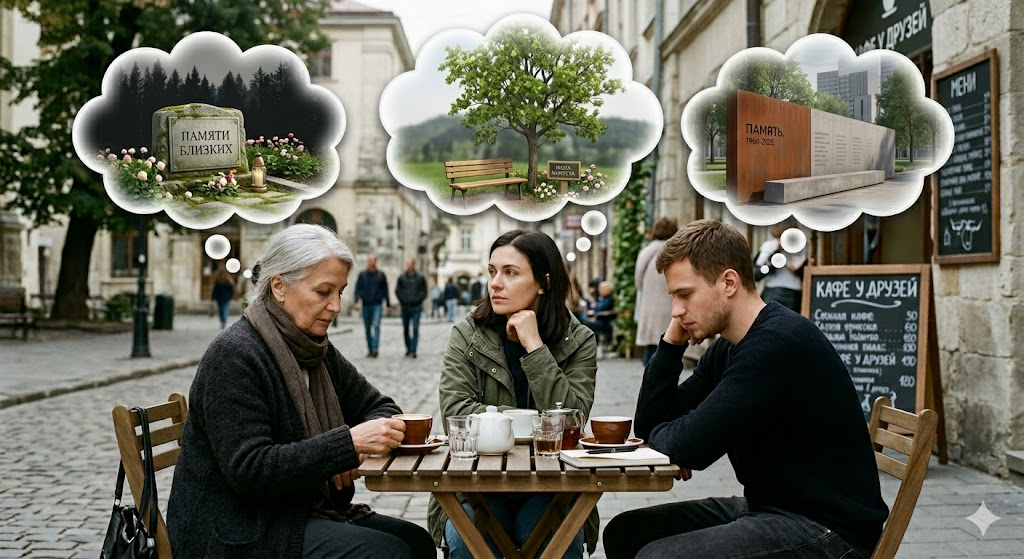
The cenotaph does not have to be a large monument. It can be very simple: a stone, a tree, a plaque, a bench, a home corner, a memory page, a book, an annual meeting, or a small place to come. The main thing is not the form itself. The main thing is that the memory has a place to be alive with.
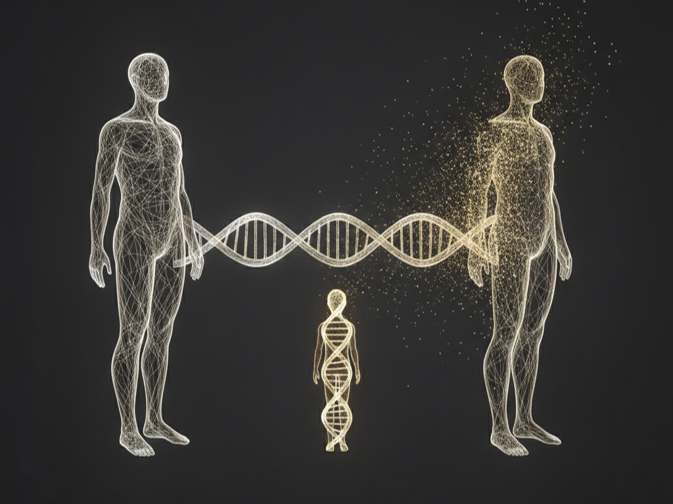
This decision is almost never made “in a calm season of life.” It arises in the midst of loss, trauma, uncertainty, and the pressure of time. If you find yourself standing before this choice, it is important not to rush. Here are several anchors that may help you preserve clarity.

Neurodoula is a digital support space for people experiencing grief, loss, trauma and emotional crisis. It offers anonymous online support when speaking to a therapist, counsellor or another person is not possible or feels too difficult.
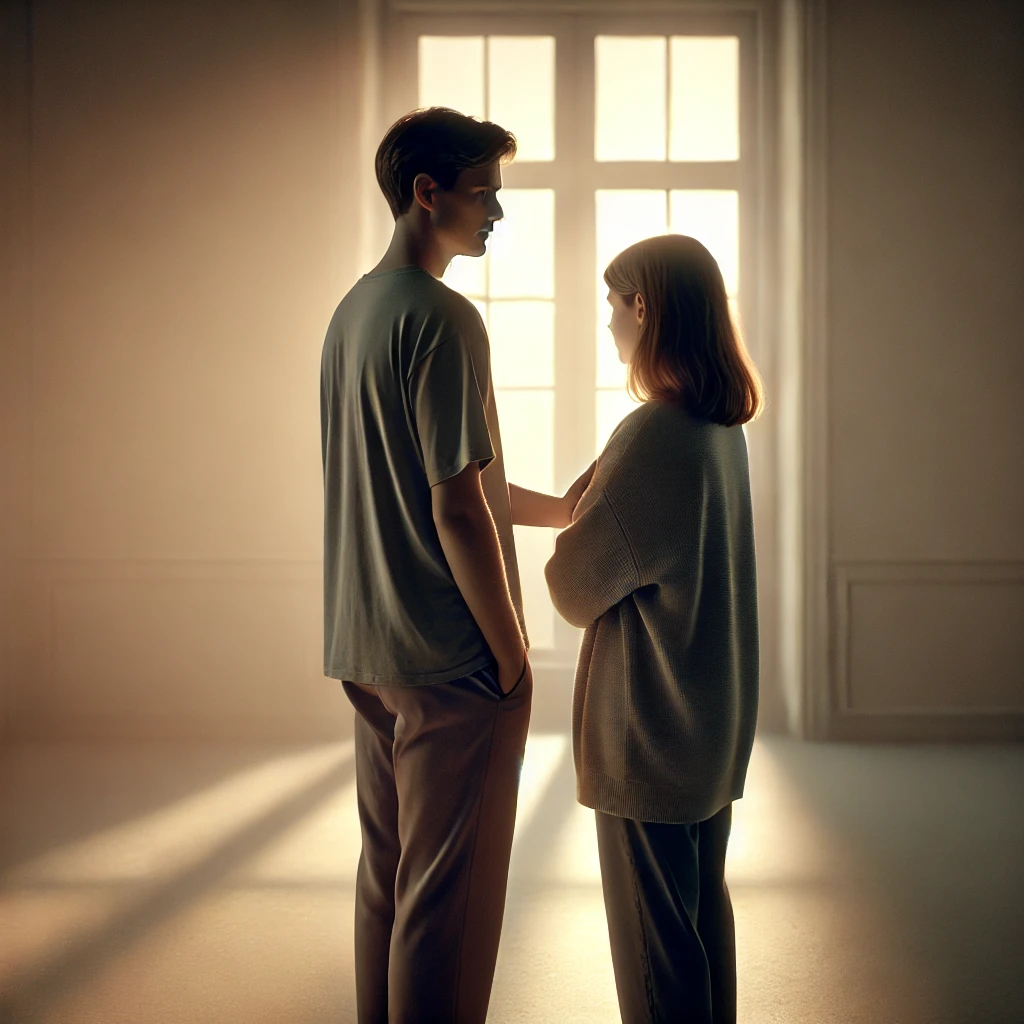
How can parents ease what they are going through in grief? When a child dies, even breathing can feel hard. This support is here for those who are grieving and trying to get through the hardest days after their child’s death.
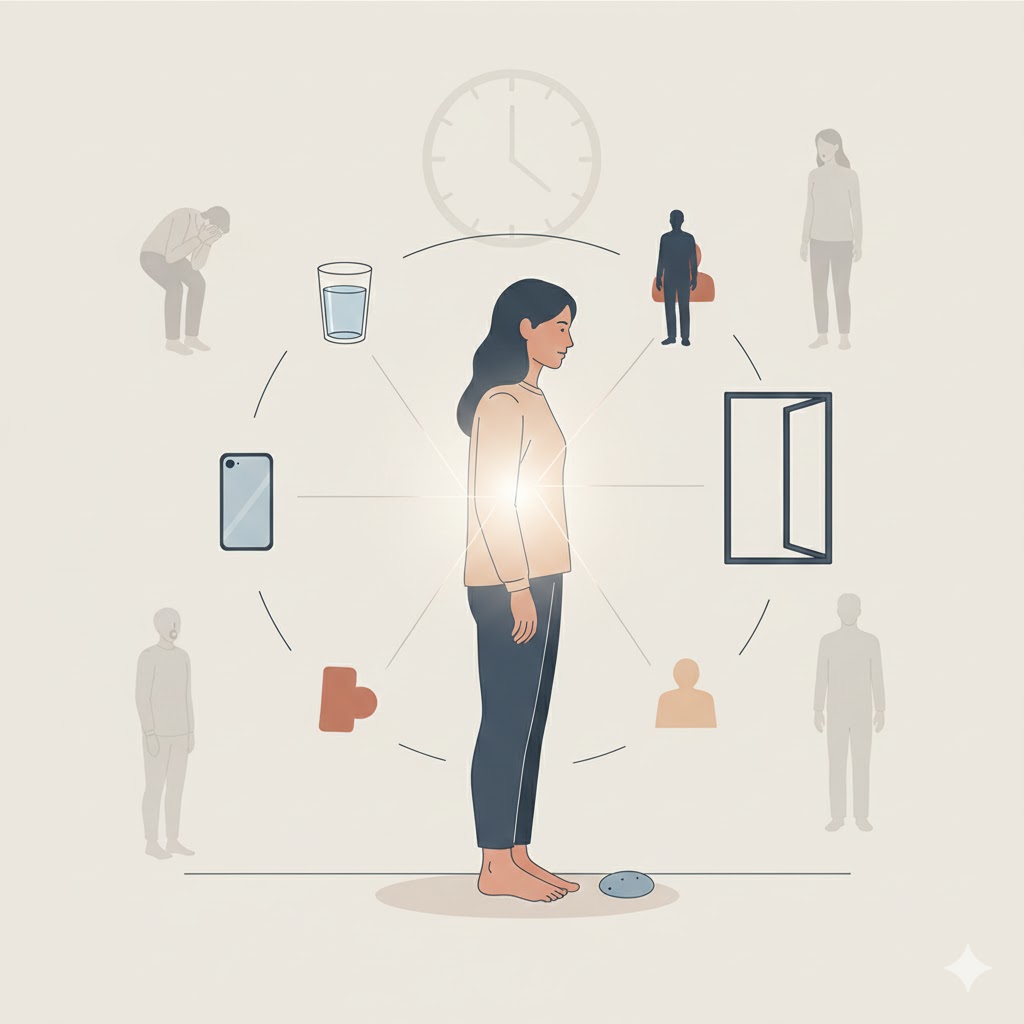
When a loved one dies, time can feel as if it stops. The mind may refuse to believe it, the body may not respond, and inside there is only one thought: “This can’t be happening…”