
When Home Is Full Again: What to Do When It’s Hard
material
Support for families living with aggression, alcohol use, or emotional instability in loved ones after war. Returning from war does not always bring peace. Sometimes, instead of what we expect…
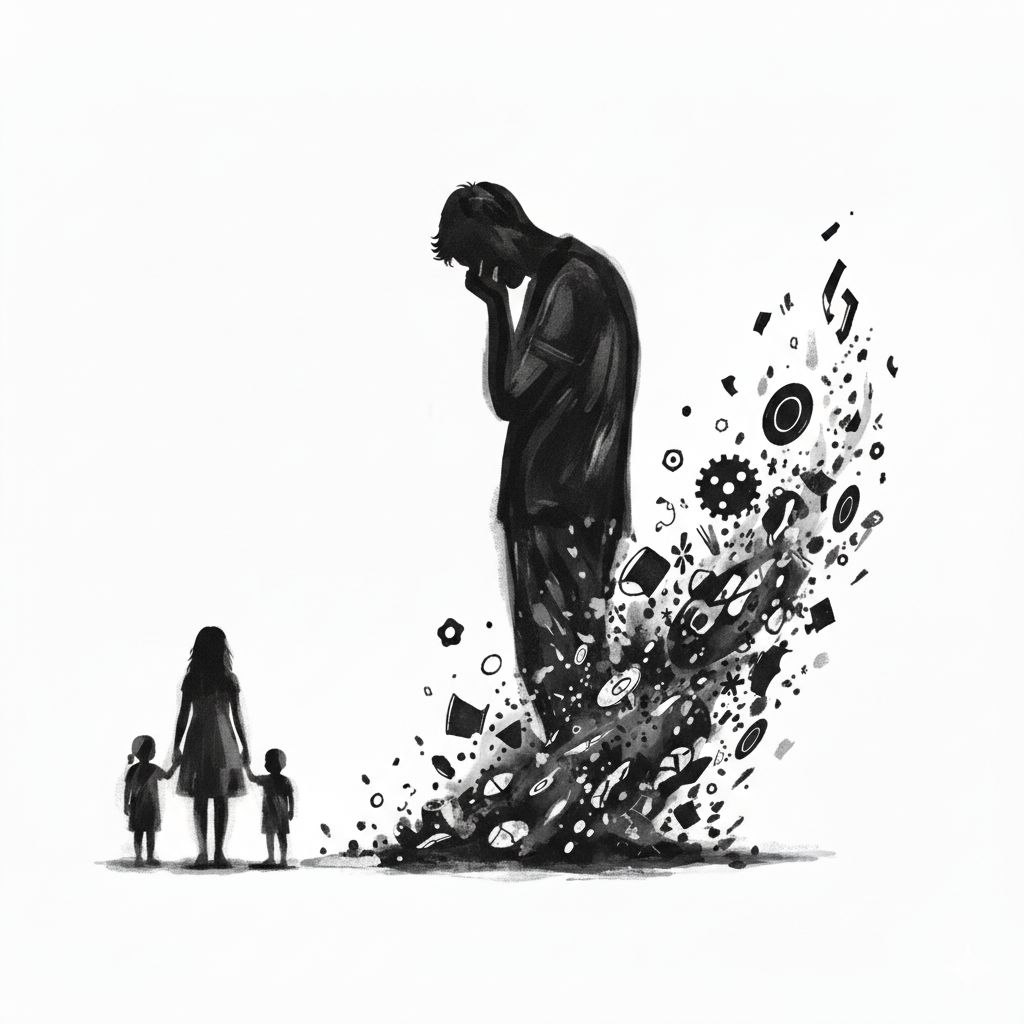
Instead of relief, a new fear can appear: aggressive behavior, alcohol use, sudden outbursts of anger, or emotional withdrawal.
This is not evil in a person — it is the aftermath of what they have lived through.
According to the National Institute of Mental Health (NIMH) and Veterans Affairs, up to 30% of service members show destructive reactions in everyday life after returning from the front. These reactions are often linked to PTSD, traumatic stress, or depression.
What to do during episodes of aggression or alcohol misuse
1. Do not argue in the moment.
In a state of affect, the brain is not capable of logic. What is needed is a pause — not pressure.
2. Ensure physical safety for yourself and for children.
Do not hesitate to leave the space or seek help. This is care, not betrayal.
3. In case of threats, contact not only the police but also psychiatric emergency services.
Mental health crisis teams operate in most cities. This reduces the risk of criminalization and opens a path toward treatment.
4. Discuss a “safety plan” in advance.
For example:
“If I see that you’re reaching a breaking point, we’ll take a pause together. This is not against you. It’s so that everyone stays safe.”
5. Observe and note triggers.
Smells, news, loud noises, alcohol — all of these can activate reactions. Writing these observations down helps identify patterns.
10 family therapy principles that anyone can use
1. Say “I feel afraid when your voice gets louder,” instead of “you are aggressive.”
“I-statements” reduce escalation.
2. Establish clear, mutually agreed rules.
For example: no shouting at home, no drinking on weekends if children are present.
3. Maintain a regular routine: sleep, meals, daily structure.
Predictability stabilizes the nervous system.
4. Ask every day: “What was the hardest part today? And what was the most pleasant?”
This ritual supports emotional healing.
5. Involve the person in simple, shared tasks.
Cooking together, caring for animals or plants — these are not trivial; they are grounding.
6. Do not isolate yourself.
A family should not carry everything in silence. Talk to friends, volunteers, or mental health professionals.
7. Do not force therapy — offer choices.
For example: an online veterans’ group, a mobile psychologist, a free consultation.
8. Set aside one day for shared rest.
Even a walk around the neighborhood counts. Regular “peaceful” experiences help restore connection.
9. Do not involve children in conflicts — but do explain what is happening.
“Dad is having a very hard time right now. He is not bad. But we still have the right to be safe.”
10. Remember: love is not silence.
Care sometimes looks like a boundary, a request, or a pause. This is not betrayal — it is a way to protect everyone.
Returning from war is a process.
And yes, it can be difficult.
But when families act together — with respect for pain and care for themselves — this process can become a path toward a new kind of connection. Not perfect. But real.
Because family is not silence at any cost.
It is a place where it is safe — even when things are hard.
This is not evil in a person — it is the aftermath of what they have lived through.
According to the National Institute of Mental Health (NIMH) and Veterans Affairs, up to 30% of service members show destructive reactions in everyday life after returning from the front. These reactions are often linked to PTSD, traumatic stress, or depression.
What to do during episodes of aggression or alcohol misuse
1. Do not argue in the moment.
In a state of affect, the brain is not capable of logic. What is needed is a pause — not pressure.
2. Ensure physical safety for yourself and for children.
Do not hesitate to leave the space or seek help. This is care, not betrayal.
3. In case of threats, contact not only the police but also psychiatric emergency services.
Mental health crisis teams operate in most cities. This reduces the risk of criminalization and opens a path toward treatment.
4. Discuss a “safety plan” in advance.
For example:
“If I see that you’re reaching a breaking point, we’ll take a pause together. This is not against you. It’s so that everyone stays safe.”
5. Observe and note triggers.
Smells, news, loud noises, alcohol — all of these can activate reactions. Writing these observations down helps identify patterns.
10 family therapy principles that anyone can use
1. Say “I feel afraid when your voice gets louder,” instead of “you are aggressive.”
“I-statements” reduce escalation.
2. Establish clear, mutually agreed rules.
For example: no shouting at home, no drinking on weekends if children are present.
3. Maintain a regular routine: sleep, meals, daily structure.
Predictability stabilizes the nervous system.
4. Ask every day: “What was the hardest part today? And what was the most pleasant?”
This ritual supports emotional healing.
5. Involve the person in simple, shared tasks.
Cooking together, caring for animals or plants — these are not trivial; they are grounding.
6. Do not isolate yourself.
A family should not carry everything in silence. Talk to friends, volunteers, or mental health professionals.
7. Do not force therapy — offer choices.
For example: an online veterans’ group, a mobile psychologist, a free consultation.
8. Set aside one day for shared rest.
Even a walk around the neighborhood counts. Regular “peaceful” experiences help restore connection.
9. Do not involve children in conflicts — but do explain what is happening.
“Dad is having a very hard time right now. He is not bad. But we still have the right to be safe.”
10. Remember: love is not silence.
Care sometimes looks like a boundary, a request, or a pause. This is not betrayal — it is a way to protect everyone.
Returning from war is a process.
And yes, it can be difficult.
But when families act together — with respect for pain and care for themselves — this process can become a path toward a new kind of connection. Not perfect. But real.
Because family is not silence at any cost.
It is a place where it is safe — even when things are hard.